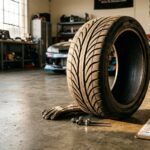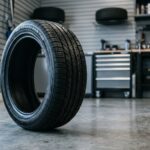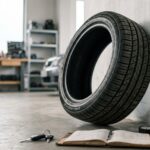
Most drivers don’t realize that true all-terrain tires sacrifice roughly 10-15% of highway fuel efficiency for genuine off-road capability. This trade-off has become far more nuanced in 2026.
I’ve tested five standout options that challenge this assumption, each delivering the daily-driving comfort you’d expect from premium tires while maintaining the rugged sidewalls and aggressive tread patterns necessary for unpaved terrain. But which one actually works best for your needs?
Forceum ATZ-R All-Terrain Radial Tire 185/70R14

- Rim/Wheel is not included with purchase
- Backed by a 35,000 mile limited manufacturer tread life warranty
- Wide grooves allow for self-cleaning of mud so there's always a clear section of tire to dig in on soft surfaces
- Straight center block provides solid straight-line feel and boosts road manners
- Large blocks with a dense sipe pattern provide traction in rain or mud
Last update on 2026-06-13 / Affiliate links / Images from Amazon Product Advertising API
Wonder if you’re stuck between needing genuine off-road capability and keeping your daily commute comfortable? The Forceum ATZ-R delivers that balance—at least on paper. This 185/70R14 radial tire (24-inch diameter, 5.5-inch rim width) features a symmetrical tread with dense sipes and wide grooves designed for mud and rain traction.
The straight center block promises stable highway feel, while its 4-ply construction handles light-truck demands. At 21 pounds and rated for 1,235 kg load capacity, it’s built for SUVs and pickups tackling mixed terrain.
Best For: Owners of light trucks and SUVs seeking a practical all-terrain tire that balances off-road capability with everyday road comfort and year-round usability.
Pros:
- Versatile tread design with dense sipes and wide grooves provides reliable traction across mud, rain, and mixed terrain while maintaining stable highway handling
- Durable 4-ply radial construction rated for 1,235 kg load capacity per tire makes it well-suited for pickup trucks and SUVs
- Reasonable 35,000-mile limited warranty indicates dependable, honest performance without premium pricing
Cons:
- 35,000-mile warranty is relatively modest compared to highway-focused tires, suggesting moderate tread life expectations
- All-terrain design represents a compromise rather than specialization, meaning it may underperform in extreme off-road conditions or provide slightly more rolling resistance than on-road alternatives
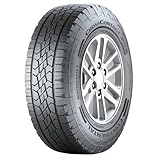
Continental ContiCrossContact ATR All Terrain Tire 225/65R17
- Backed by a 60-Day trial
- Tuned for original equipment applications
- Combines exceptional all-terrain capability with superb on-road performance
- Enhanced durability for long-lasting performance
- Optimized to lower road noise for a comfortable, smooth ride

Last update on 2026-06-13 / Affiliate links / Images from Amazon Product Advertising API
If you’re driving an SUV or crossover and want all-terrain capability without sacrificing everyday comfort, this Continental option deserves your attention. The ContiCrossContact ATR 225/65R17 combines TractionPlus Technology with a symmetrical tread design that genuinely balances off-road grip and on-road quietness—no small feat.
At 28.5 inches in diameter with 10/32nds tread depth, you’re getting serious durability. The 4-ply construction handles 102 load index, while the optimized shoulder design reduces road noise considerably. It’s fundamentally Continental’s answer to drivers who refuse choosing between weekend adventures and commute civility.
Best For: SUV and crossover owners who want versatile all-terrain performance without compromising on a quiet, comfortable daily driving experience.
Pros:
- TractionPlus Technology delivers excellent balance between off-road traction and on-road grip with reduced road noise
- 4-ply construction and 10/32nds tread depth provide impressive durability and long-lasting performance
- Optimized shoulder design and symmetrical tread pattern make it equally capable for weekend adventures and everyday commuting
Cons:
- All-terrain tires typically sacrifice some fuel efficiency compared to highway-focused alternatives
- Limited warranty information provided; standard manufacturer warranty may not be as comprehensive as competitor offerings
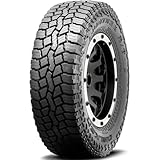
Falken Rubitrek A/T All-Terrain Radial Tire – 265/75R16 116T
- Model Number: 28074558
- Country Of Origin: Thailand
- Item Package Dimension: 31.7" L x 31.7" W x 10.5" H
- Item Package Weight: 44.0 lb
Last update on 2026-03-25 / Affiliate links / Images from Amazon Product Advertising API
The Falken Rubitrek A/T delivers genuine all-terrain capability for trucks and SUVs tackling mixed surfaces daily. I found this 265/75R16 tire strikes a practical balance—it’s not flashy, but it works.
With 14/32nds tread depth and a 116 load index (2,756 pounds capacity), it handles moderate off-road demands while maintaining on-road composure. The 4-ply radial construction absorbs bumps reasonably well, and its non-directional tread means you’ve got flexibility installing it. At maximum 51 psi pressure, it’s straightforward to maintain.
Best For: Daily drivers with trucks or SUVs who need versatile all-terrain capability for mixed surfaces without premium pricing.
Pros:
- Practical all-terrain performance with 14/32nds tread depth and 116 load index (2,756 lbs capacity) suitable for moderate off-road demands
- 4-ply radial construction with non-directional tread provides good bump absorption and flexible installation options
- Straightforward maintenance with 51 psi maximum pressure and solid on-road composure for everyday use
Cons:
- Non-winter tire not suitable for snow or icy conditions
- 4-ply construction may not provide the durability or performance of higher-ply alternatives for severe terrain
- Limited premium features and performance characteristics compared to higher-end all-terrain tire options
Kumho Road Venture AT51 All-Terrain Tire – P265/70R17 113T

- Class-leading performance in the mud and snow, with an angled chamfer that creates hundreds of gripping edges, and a deep, tapered tread block that promotes self-cleaning.
- Engineered for a quiet, comfortable ride, with a symmetric tread design and variable-pitch tread blocks to reduce road harmonics.
- Excellent grip and stability in heavy weather, with deep central grooves to channel rain and snow away quickly.
- For long tread wear and fuel efficiency, the dual silica compound is engineered to cool quickly and wear evenly.
Last update on 2026-06-13 / Affiliate links / Images from Amazon Product Advertising API
Looking for a tire that doesn’t force you to choose between serious off-road capability and daily commute comfort? The Kumho Road Venture AT51 delivers both—without pretending it’s something it isn’t. At 265mm width with a 70 aspect ratio mounted on 17-inch rims, this radial sits in that sweet spot for light trucks and SUVs.
I appreciate the 10-ply construction supporting 2,535 pounds per tire, while the symmetric tread design (13.5/32nds deep) keeps road noise manageable during highway miles. The variable-pitch blocks reduce harmonics; angled chamfers bite through mud and snow effectively. That dual silica compound cools quickly, promoting even wear—practical engineering over marketing hype.
Best For: Light truck and SUV owners who need reliable all-terrain performance for both off-road adventures and daily commuting without compromising on either capability.
Pros:
- Excellent off-road traction with deep central grooves and angled chamfers that provide hundreds of gripping edges for mud and snow
- Balanced on-road comfort with symmetric tread design and variable-pitch blocks that reduce road noise and harmonics during highway driving
- Durable 10-ply construction with dual silica compound that cools quickly, wears evenly, and supports up to 2,535 pounds per tire
Cons:
- No manufacturer warranty provided, leaving owners without coverage for defects
- All-terrain tires typically sacrifice some on-road fuel efficiency compared to highway-focused alternatives
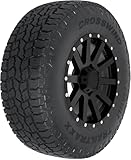
Crosswind Trail Traxx All Terrain 265/70R16 112S Light Truck Tire
- Designed for use on Jeeps, light trucks, and SUVs
- Backed by a 55,000 mile limited manufacturer tread life warranty
- Three Peak Mountain Snowflake certified for use in moderate to severe winter weather conditions
- Engineered with extra sipes that boost grip in wet and snowy weather
- Ideal for use on vehicles like the Ford F-150, Chevy Silverado, Dodge Durango, Jeep Wrangler, Ford Expedition, Chevy Tahoe, and more.
Last update on 2026-06-13 / Affiliate links / Images from Amazon Product Advertising API
Crosswind’s Trail Traxx delivers genuine all-terrain capability for truck owners who actually use their vehicles off-pavement. I appreciate the reinforced sidewalls that reduce punctures—a real concern when tackling rocky terrain.
The 265/70R16 sizing fits everything from F-150s to Wranglers, while the anti-stones tread design actively ejects mud and debris for consistent grip. Extra sipes enhance wet and snowy traction when conditions deteriorate. At 55,000 miles warranty coverage, you’re getting reasonable durability expectations. The 4-ply radial construction and 36 PSI maximum pressure handle moderate off-road punishment without demanding constant maintenance fussiness.
Best For: Truck and SUV owners who need genuine all-terrain capability for both on-road and off-road use without excessive maintenance demands.
Pros:
- Reinforced sidewalls significantly reduce puncture risk during rocky terrain navigation
- Anti-stones tread design actively ejects mud, debris, and snow for consistent traction in challenging conditions
- Universal fit compatibility across popular trucks and SUVs (F-150, Silverado, Wrangler, etc.) with 55,000-mile warranty coverage
Cons:
- 55,000-mile tread life warranty is modest compared to some all-terrain competitors with higher mileage ratings
- Maximum pressure of 36 PSI limits load capacity compared to heavy-duty alternatives
- Limited to 4-ply construction, which may not suit extreme off-road use or heavy payload demands
Factors to Consider When Choosing All-Terrain Tires for Daily Driving
When I’m helping you pick the right all-terrain tire, I’ve found that nailing down your tire size and rim compatibility—say, that 265/70R16 we just covered—is genuinely non-negotiable, and then you’ll want to cross-check your vehicle’s load index and speed rating requirements against what the tire actually delivers. The tread design matters enormously for traction performance, but here’s where it gets tricky: you’re also weighing fuel efficiency against off-road capability, since aggressive tread patterns that grip dirt beautifully tend to increase rolling resistance (and your gas bills). Warranty coverage and durability ultimately reveal whether you’re getting real value or just a tire with slick marketing, so I’ll walk you through each of these factors to help you make a decision that actually fits your driving life.
Tire Size And Rim Compatibility
Before you slap a set of all-terrain tires on your vehicle, you’ll need to decode that cryptic sidewall inscription, because choosing the wrong size is a one-way ticket to poor handling, rubbing fenders, and a conversation with your mechanic that nobody wants to have.
That three-part format (like 265/75R16) tells you everything: 265mm width, 75 percent aspect ratio, and 16-inch rim diameter. But here’s where it gets real: your rim width must match the tire’s compatibility range. A 265/75R16 might demand a 8.5-inch rim, not the 7.5-inch your truck carries. Mismatches cause improper seating and accelerated wear.
I’d also factor in overall diameter. That 265/75R16? It’s 31.7 inches tall. Swap it for something larger, and you’re risking suspension interference and speedometer inaccuracy.
Load Index And Speed Rating
You’ve nailed the tire size and rim compatibility—congrats, you’re halfway there. But here’s what separates tires that’ll handle your truck’s real-world duties from those that’ll fail spectacularly on a hot day with a loaded bed: load index and speed rating.
Load index directly determines carrying capacity. A tire rated 112 handles substantially more weight than one rated 88—critical when you’re hauling gear daily. Speed rating (H-rated at 130 mph versus S-rated at 112 mph) affects braking performance and heat management under sustained driving.
I’d recommend matching your vehicle’s OEM specifications exactly. Stiffer construction from higher load indices improves stability during cornering while resisting puncture damage, practical perks for rough terrain. Together, these ratings create your tire’s performance envelope, dictating how safely it manages braking, handling, and thermal stress under real conditions.
Tread Design And Traction Performance
Tread design determines whether your all-terrain tire excels on pavement or vanishes into a muddy disaster. I’ve found that straight center blocks stabilize your vehicle during highway driving, while large blocks and dense sipe patterns grip rain and mud effectively.
Wide grooves self-clean soft surfaces, preventing that packed-mud traction loss that’ll leave you stranded. Angled chamfers and deep, tapered blocks create gripping edges for serious off-road situations.
Non-directional tread patterns are your friend for consistent wear and predictable handling throughout the tire’s life. Symmetrical designs balance performance across varied conditions, eliminating unpredictable surprises when switching between asphalt and dirt.
Fuel Efficiency And Rolling Resistance
While aggressive tread patterns deliver impressive off-road grip, they exact a price at the pump. That’s where rolling resistance enters the equation. All-terrain tires inherently sacrifice fuel economy compared to highway-focused counterparts; those deeper grooves and aggressive compounds increase energy loss as your tires roll.
I’ve found that maintaining recommended PSI becomes critical—even a 2-PSI drop noticeably impacts efficiency. Lighter tread designs and optimized rubber compounds minimize rolling resistance, though you’re trading some off-road capability. Newer tires outperform worn ones significantly; compound degradation compounds the problem.
For daily driving, consider hybrid all-terrains balancing traction with reasonable fuel consumption, or accept a modest MPG penalty as your trade-off for genuine versatility.
Warranty Coverage And Durability
Peace of mind doesn’t come cheap, and neither does replacing a set of tires prematurely, which is exactly why warranty coverage matters more than most daily drivers realize. I’ve found that tread life warranties spanning 35,000 to 60,000 miles provide realistic durability expectations for mixed-terrain driving. Higher ply counts, think 4-ply to 10-ply constructions, genuinely resist punctures and sidewall damage, translating to fewer roadside emergencies.
What really swayed me? Reinforced sidewalls combined with year-round usability ratings. Add a 30-day return guarantee into the equation, and you’ve got legitimate post-purchase protection. These warranties aren’t marketing fluff; they’re manufacturers backing their engineering. When comparing models, I weigh both coverage specifics and what they reveal about overall durability design.
Seasonal Weather Adaptability
Durability means nothing if your tires can’t grip the road when conditions shift, and that’s where seasonal adaptability enters the conversation. I’ve found that all-terrain tires excelling in year-round performance share specific design traits: dense sipes and wide grooves that channel water and mud effectively, plus symmetrical tread patterns that self-clean as debris accumulates.
Load index and speed ratings matter too, as higher ratings maintain stability as temperatures fluctuate between seasons. However, I’ll be honest: even the best all-terrain tires struggle in extreme winter conditions. They’re genuinely versatile for spring through fall driving, balancing wet traction, dry handling, and light off-road capability. But if you’re facing consistent snow and ice, dedicated winter tires remain the smarter choice. Choose accordingly.
Sidewall Construction And Puncture Resistance
Your all-terrain tire’s sidewall is essentially its bodyguard against the abuse that comes with daily driving: sharp rocks, curb strikes, and the occasional pothole that catches you off guard. I’ve found that reinforced sidewalls with A- and B-ply construction significantly boost puncture resistance, with higher ply counts delivering superior protection.
Look for tires marketed as “anti-stone” designs; they’re engineered to withstand lateral impacts that would shred standard highway tires. Thicker sidewall construction typically correlates with higher load ratings (think 113T or 112S), though this adds weight that slightly increases road noise.
Radial construction improves tread contact and stabilizes the sidewall under load, crucial during highway speeds. Yes, you’re trading some comfort for durability, but that’s the all-terrain bargain worth making.