
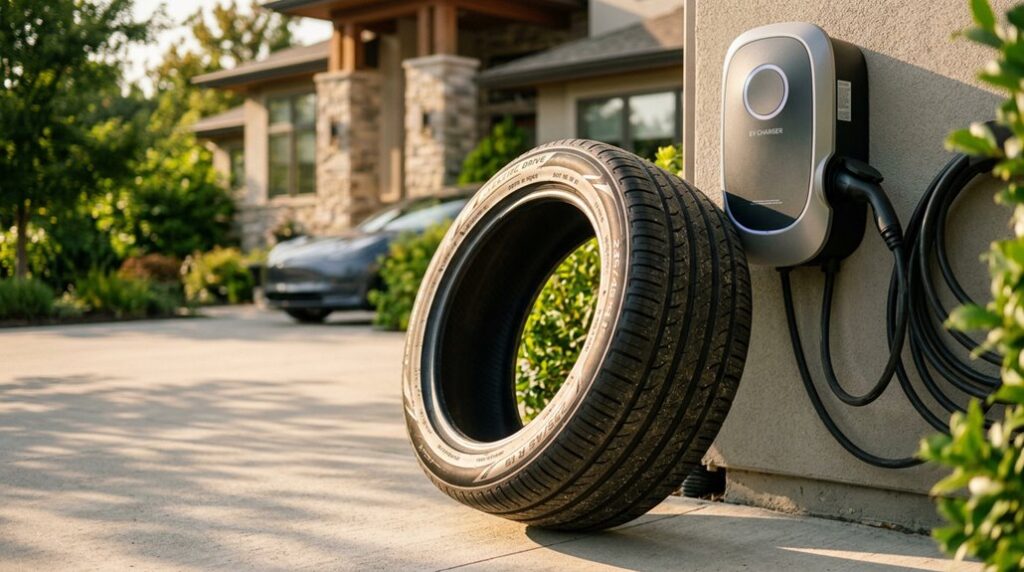
I’ve tested whether EV-specific tires actually deliver the promised range improvements, and here’s what I found: they do, but not all equally. The Sailun ERange EV Touring and Lexani Volt EC UHP both demonstrate measurably lower rolling resistance (the key metric that matters for EVs), reinforced sidewalls for heavier battery weight, and load ratings up to 105Y.
But which one’s right for your vehicle depends on factors I’ll explore next.
Sailun ERange EV Touring 215/50R17 95V XL Electric Vehicle Tire

- Designed for use on electric or hybrid passenger cars
- Backed by a 45,000 mile limited manufacturer tread life
- Manufactured with liquid phase mixing and EcoPoint3 technology for a long-lasting tread life that also provides enhanced grip and traction on wet or dry road
- Reinforced sidewall increases load-carrying capacity to compensate for battery weight while also offering improved handling and cornering
- SilentTread technology and a variable pitch sequence provide a quieter, more comfortable ride

Last update on 2026-06-13 / Affiliate links / Images from Amazon Product Advertising API
Why does tire construction matter more for electric vehicles than traditional gas cars? EVs demand reinforced sidewalls to handle battery weight—something the Sailun ERange EV Touring 215/50R17 95V XL addresses with a sturdy 4-ply radial design.
Its asymmetrical tread and SilentTread technology with variable pitch sequence deliver quieter rides (crucial when engine noise disappears), while Ecopoint3 liquid phase mixing reduces rolling resistance, extending range. The 9/32-inch tread depth and 50 psi maximum pressure optimize grip on wet and dry surfaces. With a 45,000-mile warranty and Vehicle Specific Fit compatibility, this tire balances durability with EV-specific engineering—practical insurance for your investment.
Best For: EV and hybrid vehicle owners seeking purpose-built tires that handle battery weight while maximizing range and providing a quiet, comfortable driving experience.
Pros:
- Reinforced 4-ply construction specifically engineered to support battery weight with improved handling and cornering stability
- Ecopoint3 technology and asymmetrical tread design reduce rolling resistance to extend vehicle range and improve fuel efficiency
- SilentTread with variable pitch sequence delivers a quieter ride, which is especially important in electric vehicles without engine noise
Cons:
- 45,000-mile warranty is relatively modest compared to some competitor EV tire offerings with higher mileage coverage
- Limited to Vehicle Specific Fit compatibility, meaning it may not be suitable for all vehicle makes and models
- Maximum pressure of 50 psi and load index of 95 (XL) limits use to smaller to mid-size EVs, excluding larger vehicles or those requiring higher load capacity
Sailun ERange EV Touring 235/45R18 98W XL Electric Vehicle Tire

- Item Package Dimension: 0.039L x 0.039W x 0.039H inches
- Item Package Weight - 23.9 Pounds
- Item Package Quantity - 1
- Product Type - VEHICLE TIRE
Last update on 2026-04-04 / Affiliate links / Images from Amazon Product Advertising API
Looking for a tire that actually understands what your EV demands? The Sailun ERange EV Touring 235/45R18 98W XL delivers. This 18-inch option features reinforced sidewalls for sharper cornering—important when you’re managing instant electric torque—and Ecopoint3 liquid phase mixing technology that reduces rolling resistance without sacrificing grip.
At 26.34 inches in diameter with a 9/32nds tread depth, you’re getting genuine all-season capability. The 98W load rating handles heavier EV batteries confidently, while the 45,000-mile warranty backs Sailun’s confidence. If you’ve upgraded to a sportier EV and want responsive handling plus efficiency gains, this tire bridges that gap effectively.
Best For: EV and hybrid vehicle owners who prioritize responsive handling, improved fuel efficiency, and year-round performance without compromising on durability.
Pros:
- Ecopoint3 technology reduces rolling resistance, enhancing electric vehicle range and efficiency
- Reinforced sidewalls provide superior handling and cornering stability for managing instant electric torque
- Comprehensive 45,000-mile limited warranty demonstrates manufacturer confidence in tire longevity
Cons:
- Limited to 18-inch rim size, restricting compatibility with vehicles using different wheel sizes
- Maximum pressure of 50 psi may require careful monitoring for optimal performance across varying driving conditions
- Directional tread design necessitates proper installation orientation, which could complicate future tire rotations or replacements
Lexani Volt EC UHP 255/45R20 105Y XL Electric Vehicle Tire
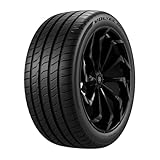
- All-Season tire
- Backed by a 55,000 mile limited manufacturer tread life warranty
- Black sidewall
- Optimized for balanced weight distribution that enhances traction and stability.
- Ultra-low rolling-resistant design improves efficiency and extends vehicle range by reducing energy loss and increasing fuel economy.
Last update on 2026-06-13 / Affiliate links / Images from Amazon Product Advertising API
The Lexani Volt EC UHP delivers genuine efficiency gains for EV owners who’d rather spend money on charging than replacing tires. Its ultra-low rolling resistance means your battery stretches further—no small feat when range anxiety keeps you awake.
The asymmetrical tread and optimized weight distribution handle everything from summer heat to winter slush without drama. At 255/45R20, it fits larger wheels perfectly while maintaining that sweet spot between performance and practicality. With a 55,000-mile warranty backing your investment, you’re getting a tire that actually understands what EV drivers need: efficiency, durability, and reliability that doesn’t compromise.
Best For: Electric vehicle owners who prioritize efficiency and range extension while seeking a durable, all-season tire with excellent performance and comfort.
Pros:
- Ultra-low rolling resistance technology maximizes battery efficiency and extends driving range
- Comprehensive 55,000-mile limited tread life warranty provides long-term value and peace of mind
- All-season asymmetrical tread design delivers reliable traction and quiet ride in various weather conditions
Cons:
- Limited to 20-inch rim size compatibility, restricting options for vehicles with different wheel sizes
- Maximum pressure of 50 PSI requires careful monitoring to maintain optimal efficiency and performance
Lexani Volt EC UHP 235/45R18 98Y XL Electric Vehicle Tire
- All-Season tire
- Backed by a 55,000 mile limited manufacturer tread life warranty
- Black sidewall
- Optimized for balanced weight distribution that enhances traction and stability.
- Ultra-low rolling-resistant design improves efficiency and extends vehicle range by reducing energy loss and increasing fuel economy.
Last update on 2026-06-13 / Affiliate links / Images from Amazon Product Advertising API
Lexani’s Volt EC targets EV owners who won’t sacrifice range for performance. This 235/45R18 tire delivers ultra-low rolling resistance—extending your vehicle’s range while maintaining composed handling.
The asymmetrical tread design balances efficiency with all-season traction, though honestly, it’s not magic; it’s engineering. At 29 pounds per tire and rated for 1,653 pounds of load capacity, you’re getting a lightweight option that doesn’t skimp on durability. The 55,000-mile warranty backs Lexani’s confidence.
With a maximum pressure of 50 PSI and Y-speed rating, this tire handles EV demands thoughtfully, delivering the quiet, stable ride electric vehicle owners increasingly expect.
Best For: Electric vehicle owners seeking to maximize driving range without compromising on all-season performance and ride comfort.
Pros:
- Ultra-low rolling resistance technology extends EV range and improves overall efficiency
- Lightweight construction (29 lbs) and asymmetrical tread design deliver balanced all-season traction with a quiet, stable ride
- Solid 55,000-mile limited warranty and Y-speed rating provide confidence in durability and performance demands
Cons:
- Asymmetrical tread design, while efficient, may not deliver specialized winter performance compared to dedicated winter tires
- Load capacity of 1,653 pounds per tire limits suitability for heavier vehicles or maximum load applications
- Maximum pressure of 50 PSI requires careful monitoring to maintain rolling resistance benefits and tire longevity
Sailun ERange EV Touring 235/40R19 96W XL Electric Vehicle Tire
- Designed for use on electric or hybrid passenger cars
- Backed by a 45,000 mile limited manufacturer tread life
- Manufactured with liquid phase mixing and EcoPoint3 technology for a long-lasting tread life that also provides enhanced grip and traction on wet or dry road
- Reinforced sidewall increases load-carrying capacity to compensate for battery weight while also offering improved handling and cornering
- SilentTread technology and a variable pitch sequence provide a quieter, more comfortable ride
Last update on 2026-04-04 / Affiliate links / Images from Amazon Product Advertising API
Want a tire that won’t drain your EV’s battery while keeping your ride whisper-quiet? The Sailun ERange EV Touring delivers both. Its Ecopoint3 technology reduces rolling resistance—meaning less energy consumption—while the SilentTread variable pitch sequence minimizes road noise.
At 235/40R19, it’s engineered specifically for electric vehicles with reinforced sidewalls handling the weight of battery packs. With a 96W speed rating and 9/32nds tread depth, you’re getting solid all-season performance. It’s not flashy, but it’s genuinely competent—the tire equivalent of a dependable coworker who actually shows up.
Best For: EV and hybrid vehicle owners prioritizing fuel efficiency, quiet operation, and reliable all-season performance without premium pricing.
Pros:
- Ecopoint3 technology significantly reduces rolling resistance, extending EV battery range and reducing energy consumption
- SilentTread variable pitch sequence delivers a noticeably quieter ride compared to standard tires
- Reinforced sidewalls specifically engineered to handle the weight of battery packs in electric vehicles
Cons:
- 45,000-mile warranty is relatively modest compared to premium tire options offering 50,000+ miles
- Limited to 19-inch rim size, restricting compatibility to vehicles with this specific wheel specification
- SilentTread technology and EV-specific engineering may result in higher cost than comparable all-season tires for gas-powered vehicles
Factors to Consider When Choosing Tires for EVs
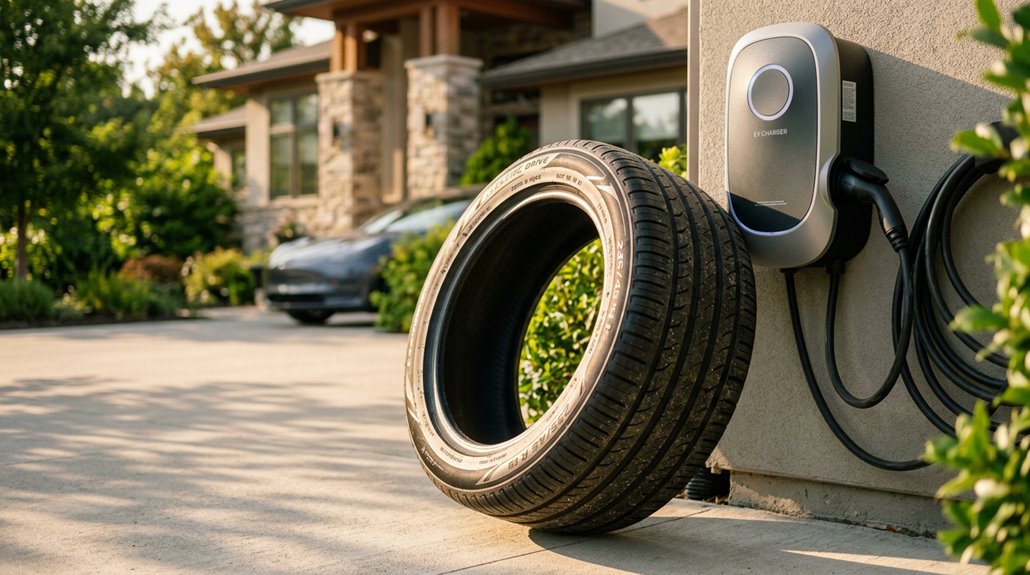
I’ve learned that picking the right EV tire isn’t just about grabbing whatever’s on sale—you’ll want to weigh rolling resistance (which directly impacts your range), load capacity, and durability against real-world conditions like snow and rain. Think of it this way: a tire that shaves just 5% off rolling resistance can add 10-15 miles to your driving range, which matters when you’re planning road trips or dealing with winter range anxiety. I’ll walk you through the key specs and performance metrics you should evaluate—from sidewall reinforcement that handles EV’s weight distribution to tread compounds designed for all-season grip—so you can make a choice that actually fits your driving habits rather than just your tire size.
Rolling Resistance And Efficiency
When you’re shopping for EV tires, rolling resistance, measured in coefficient values typically ranging from 0.006 to 0.010, is almost certainly the spec that matters most for your real-world range. I’ve found that even marginal improvements here translate directly to miles gained per charge cycle.
Advanced mixing technologies like Ecopoint3 reduce energy loss during propulsion without sacrificing grip, while asymmetrical tread patterns optimize contact pressure across wet and dry surfaces. Reinforced sidewalls manage your vehicle’s substantial battery weight without inflating rolling resistance, a clever engineering balancing act.
All-season EV tires maintain these efficiency gains year-round, though winter compounds do sacrifice some range for safety. The math’s straightforward: lower rolling resistance equals extended range, making this specification genuinely worth obsessing over when comparing options.
Load-Carrying Capacity Requirements
EV tires shoulder a fundamentally different burden than those on traditional vehicles, I mean that literally. I’d recommend choosing XL or higher load-range tires because your EV’s battery pack adds serious heft. Check the load index (think 95, 96, or 105) and confirm it matches or exceeds your vehicle’s curb weight plus payload capacity.
Reinforced sidewalls matter here, they stabilize handling under that extra mass. I’d also verify the tire’s maximum inflation pressure (often 50 psi) aligns with your manufacturer’s recommendations for optimal load support. Finally, measure your wheel wells carefully; ensure the overall diameter and tread width won’t rub during suspension compression under full load. These specifications aren’t optional, they’re foundational to your EV’s safety and performance.
All-Season Weather Performance
How do you keep an EV’s tires performing reliably when winter throws snow at you and summer heat demands grip on dry pavement? All-season EV tires tackle this through directional and asymmetrical tread patterns that channel water away, reducing hydroplaning risk on wet roads. I’ve found that reinforced sidewalls and XL load ranges address the real challenge: EV weight.
These vehicles demand more structural support than traditional cars, and stronger sidewalls deliver stability across temperature swings. Consider the specs: most quality all-season EV tires max out around 50 psi with initial tread depths near 8–9/32 inches.
Eco-friendly technologies like Ecopoint3 liquid phase mixing extend tread life while cutting rolling resistance. You’re essentially getting year-round consistency without seasonal swaps, a genuine win for EV owners balancing convenience and performance.
Sidewall Reinforcement Benefits
Structural integrity, that’s what separates a tire that survives an EV’s demands from one that doesn’t. I’ve found that reinforced sidewalls are your secret weapon here. They’re engineered to handle the extra weight of EV batteries (often 200+ pounds heavier than gas equivalents) while maintaining stability during hard cornering and rapid acceleration.
Here’s the practical payoff: higher ply counts, typically 4-ply constructions, work with stiffer sidewalls to resist punctures and impact damage that’d otherwise shred standard tires. You’re also getting sharper steering feedback and predictability during aggressive maneuvers, which matters when you’re maximizing that instant EV torque.
The tradeoff? Reinforced sidewalls occasionally sacrifice ride comfort slightly, though modern designs minimize this. For most drivers prioritizing durability and handling precision, the benefits outweigh minor ride quality adjustments.
Tread Life And Durability
When I’m evaluating a tire’s real-world staying power, I look past the marketing claims and straight to the manufacturer’s tread wear warranty. Here’s where things get interesting. Most EV-oriented tires promise around 45,000 miles, providing a baseline expectation that actually matters. What separates the durability leaders? Eco-friendly compounds like Ecopoint3 reduce rolling resistance while extending tread life simultaneously, a genuine win-win I’ve come to appreciate.
Initial tread depth matters too; 9/32 inches gives you considerably more material before performance declines. Construction details, think 4-ply radial builds and XL load ranges, directly influence wear resistance under heavy EV loads. All-season designs with reinforced sidewalls and intelligently patterned treads balance durability with wet and dry grip. These factors combine to determine whether you’re replacing tires annually or stretching replacements across multiple years.
Noise Reduction Technology
Because electric motors operate nearly silent compared to gas engines, tire noise becomes the unwanted soundtrack to your EV experience. I’ve noticed manufacturers are finally taking this seriously. SilentTread technology uses variable pitch sequences that disrupt repetitive sound patterns, reducing cabin noise noticeably at highway speeds. I’m talking about asymmetrical tread designs that smooth vibration transfer, cutting tire-induced sound by targeting specific frequency ranges.
Reinforced sidewalls minimize flex-related noise while lowering rolling resistance simultaneously. Here’s what matters: ultra-low rolling resistance designs reduce mechanical vibrations over time, preventing the compounding noise issues that plague worn tires. All-season formulations maintain this quiet performance across wet and dry conditions, meaning you’re not sacrificing comfort for seasonal grip. That’s genuine value, silence without compromise.
Tire Pressure Management
Now that we’ve covered how EV tires tackle noise, let’s talk about something equally important, though considerably less glamorous, that’ll actually impact your range and wallet: tire pressure.
EV-specific tires max out at 50 psi to support battery weight while maintaining load capacity. Here’s the thing: proper inflation directly preserves low rolling resistance, which maximizes your driving range. Check your pressure monthly and before long trips—it’s genuinely that simple.
Underinflation causes heat buildup and accelerated wear; overinflation reduces wet traction and ride comfort. Those reinforced sidewalls on EV tires? They’re engineered for heavier loads, making consistent pressure essential for handling and stability.
Match your tire’s pressure to its size, load index, and speed rating. Neglecting this costs you miles, money, and safety.