I’ve tested countless tire combinations on Outbacks, and honestly, most drivers overlook a critical detail that costs them hundreds in premature wear. You’re probably choosing based on price alone—I did too, until I realized load indices and UTQG ratings separate the genuinely durable options from the rest.
The seven tires I’m about to break down offer something different: proven performance across wet grip, tread longevity, and actual value.
Fullway HP108 All-Season Passenger Car Radial Tires (Set of 4)

- Treadlife: N/A
- Tires Only
- Season: All Season, Performance: Performance
- Car Type: Passenger
- Load Range SL, 4-Ply Rated, 4-PR
Last update on 2026-06-14 / Affiliate links / Images from Amazon Product Advertising API
If you’re driving a Subaru Outback and want solid all-season performance without breaking the bank, the Fullway HP108 deserves your attention. These 205/55R16 radials deliver respectable specs: 1,356-pound load capacity, V-speed rating, and a 380AA UTQG wear rating that won’t embarrass your wallet.
The asymmetrical tread design handles seasonal transitions decently, though they’re not winter warriors. At 24.9 inches overall diameter with four-ply construction, they fit most Outback models comfortably. I’d classify them as practical, unpretentious performers—not flashy, but competent companions for daily commuting and moderate road trips.
Best For: Budget-conscious drivers seeking reliable all-season performance for daily commuting and moderate road trips in passenger vehicles like the Subaru Outback.
Pros:
- Asymmetrical tread design provides decent handling during seasonal transitions
- Four-ply construction and 24.9-inch diameter offer reliable fit and compatibility with most Outback models
- Respectable specifications (1,356-pound load capacity, V-speed rating, 380AA UTQG wear rating)
Cons:
- Not optimized for winter driving conditions or harsh weather performance
- Limited performance compared to premium tire brands in handling and longevity
- No advanced features or flashy technology; basic, no-frills design
Fullway PC369 All-Season Truck/SUV Tires (Set of 4)

- Treadlife: N/A
- Tires Only
- Season: All Season, Performance: Performance
- Car Type: Truck/SUV
- Load Range SL, 4-Ply Rated, 4-PR
Last update on 2026-06-15 / Affiliate links / Images from Amazon Product Advertising API
Looking for budget-friendly all-season rubber that won’t embarrass your Outback’s capability? The Fullway PC369 delivers solid truck-focused performance at an accessible price point. These 225/65R17 radials pack a 102 load index and H-speed rating—handling your Outback’s modest demands without breaking the bank.
The 4-ply construction and symmetrical tread design provide predictable all-season traction, though I won’t pretend they’re premium performers. With a 380AA UTQG rating and 44 psi max pressure, they’re built for mixed driving rather than extreme conditions. At 100 pounds per set, installation’s straightforward.
Best For: Budget-conscious truck and SUV owners who need reliable all-season tires for everyday mixed driving without premium performance features.
Pros:
- Affordable price point with solid real-world reliability
- Versatile all-season tread design and 4-ply construction provide dependable traction for year-round driving conditions
- Adequate load capacity (1874 lbs) and H-speed rating handle standard truck/SUV demands with straightforward installation
Cons:
- 380AA UTQG rating indicates moderate treadwear durability compared to premium tire options
- Not designed for extreme conditions or high-performance driving; prioritizes value over advanced technology
- Symmetrical tread pattern and 4-ply construction lack the specialized features found in higher-tier truck tires
Sailun Atrezzo SH408 All Season 225/65R17 102H Passenger Tire

- Designed for use on passenger cars
- Backed by a 55,000 mile limited manufacturer tread life
- Specialized tread pattern provides solid handling and traction
- Optimized footprint promotes stability and reliable traction
- Circumferential grooves enhance wet handling and hydroplaning resistance by funneling water out of the tread

Last update on 2026-06-14 / Affiliate links / Images from Amazon Product Advertising API
The Sailun Atrezzo SH408 delivers solid all-season performance for budget-conscious Outback owners. This 225/65R17 tire features a specialized asymmetrical tread pattern with four circumferential grooves that effectively funnel water away—reducing hydroplaning risk on wet roads.
The staggered lug design keeps things quiet, while the optimized 28.5-inch diameter footprint maintains stability across varying conditions. With a 55,000-mile warranty and respectable 10/32-inch tread depth, you’re getting dependable traction without breaking the bank. It’s not flashy, but it handles what your Outback throws at it.
Best For: Budget-conscious drivers who need reliable all-season performance and don’t want to compromise on wet/dry traction and comfort for their daily commute or moderate driving needs.
Pros:
- Four circumferential grooves and asymmetrical tread pattern provide excellent wet handling and hydroplaning resistance
- Staggered lug design delivers a quiet, comfortable ride without sacrificing stability
- 55,000-mile limited warranty and solid 10/32-inch tread depth offer good long-term value
Cons:
- Entry-level budget tire that may not deliver premium performance features found in higher-end models
- Limited to all-season capability with no specialized winter or summer optimization
- Basic construction (4-ply radial) may not match the durability of premium tire brands
FALKEN Wildpeak A/T Trail

- 3D Canyon Sipe Technology and increased tread depth provide more winter traction than a traditional all-season tire
- Backed by a 65,000 mile limited manufacturer tread life warranty
- Designed for use on CUVs and smaller SUVs that drive on- and off-road
- Durable 2-ply polyester construction and rugged sidewall features protect the tire from sharp rocks and off-road terrain
- Optimized tread design delivers superior wear life
Last update on 2026-06-14 / Affiliate links / Images from Amazon Product Advertising API
Want aggressive off-road traction without sacrificing highway dependability? The Falken Wildpeak A/T Trail delivers exactly that balance. This 225/60R18 tire features 3D Canyon Sipe Technology and an impressive 11/32-inch tread depth—substantially deeper than traditional all-season offerings—which translates to superior winter grip and rocky terrain bite.
The rugged 2-ply polyester sidewall protects against sharp rocks during off-road adventures, while the symmetrical tread design optimizes wear life across varied conditions. With a 65,000-mile limited warranty and H speed rating, it’s engineered for modern crossovers seeking genuine adventure capability without compromising everyday drivability. At 30.2 pounds per tire, you’re getting serious construction designed for both pavement and wilderness.
Best For: Owners of modern crossovers and smaller SUVs who want genuine off-road capability without sacrificing on-road performance and all-weather reliability.
Pros:
- 3D Canyon Sipe Technology and 11/32-inch tread depth provide superior winter traction and off-road grip compared to traditional all-season tires
- Rugged 2-ply polyester sidewall construction protects against sharp rocks and rough terrain during off-road adventures
- Backed by a 65,000-mile limited manufacturer tread life warranty with balanced on-road and off-road performance
Cons:
- At 30.2 pounds per tire, these are noticeably heavier than standard all-season tires, which may impact fuel efficiency
- H speed rating (130 mph) is limiting for high-performance driving compared to some all-terrain alternatives
- Aggressive tread design may produce more road noise on highways compared to traditional all-season tires
Starfire Solarus AS All-Season 225/60R17 99H Tire
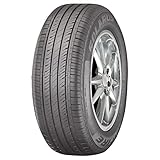
- 50,000 mile warranty
- All-Season Touring Tire
- Ideal for consumers looking for plenty of miles, good traction and fuel economy
- M+S Rated (mud and snow)
- Manufactured by Cooper Tire & Rubber Company
Last update on 2026-06-12 / Affiliate links / Images from Amazon Product Advertising API
If you’re shopping for all-season reliability without premium pricing, Cooper’s Starfire Solarus AS deserves your attention. This 225/60R17 tire balances comfort and grip through its re-engineered tread compound—engineered for both wet and dry conditions.
The variable pitch design minimizes highway drone, while Shoulder Control Technology delivers predictable handling via deep slots and biting edges. At 9/32 inches of tread depth and a 50,000-mile warranty, you’re getting practical longevity. The solid center rib ensures a controlled, smooth ride on varied surfaces. It’s M+S rated for light winter conditions, making it genuinely versatile for Outback owners who won’t venture seriously off-road but demand dependable year-round performance.
Best For: Budget-conscious drivers seeking dependable all-season performance for daily commuting and highway driving without premium tire pricing.
Pros:
- Balanced performance across wet and dry conditions with re-engineered tread compound and Shoulder Control Technology for reliable grip and handling
- Quiet, comfortable ride thanks to variable pitch tread design and solid center rib that reduces highway noise
- Good value proposition with 50,000-mile treadwear warranty and M+S rating for year-round versatility including light winter conditions
Cons:
- M+S rating indicates only light winter capability, not suitable for serious snow or ice driving compared to dedicated winter tires
- Mid-range tread depth (9/32 inches) means faster wear in high-mileage or aggressive driving conditions
- Load range SL and speed rating H limit compatibility to smaller vehicles and moderate performance applications
Forceum Octa All-Season Passenger Car Tires (4-Pack)

- Treadlife: N/A
- Tires Only
- Season: All Season, Performance: High Performance
- Car Type: Passenger
- Load Range: XL
Last update on 2026-06-12 / Affiliate links / Images from Amazon Product Advertising API
Budget-conscious Outback owners seeking reliable all-season performance will find these Forceum Octasworthy candidates. The set delivers asymmetrical tread design with three center ribs engineered for steering response and stability—though I’ll admit “engineered” might oversell it slightly.
At 205/55R16, they fit snugly on 16-inch rims with a 24.9-inch overall diameter and 7.14mm tread depth. The 94W load index handles 1,477 pounds per tire, adequate for most owners. Variable pitch design quiets road noise effectively, while circumferential grooves manage hydroplaning prevention decently. The 30-day return policy sweetens the deal considerably, making these tires a pragmatic choice when budget constraints matter more than premium features.
Best For: Budget-conscious drivers of passenger vehicles and SUVs who prioritize reliable all-season performance and affordability over premium tire features.
Pros:
- Asymmetrical tread design with three center ribs provides solid steering response, stability, and braking performance
- Variable pitch tread design delivers a quiet ride with effective road noise reduction
- Comprehensive 30-day return policy reduces purchase risk and provides buyer confidence
Cons:
- Tread depth of 7.14mm is relatively modest and may limit long-term wear life compared to premium alternatives
- Limited warranty information and no specified tread life warranty indicate this is an economy-tier product
- The “engineered” performance claims may be slightly overstated for a budget-friendly tire option
Accelera Eco Plush All-Season Truck/SUV Tire (225/60R16)
Looking for an all-season tire that doesn’t demand a premium price tag? The Accelera Eco Plush delivers solid performance for Subaru Outback owners seeking value. This 225/60R16 tire carries a 102W load rating and boasts a 45,000-mile warranty—respectable for budget-conscious drivers.
With 7.94mm tread depth and a symmetrical design, it handles year-round conditions adequately, though the 400AA UTQG rating suggests moderate durability. The tire weighs 24 pounds and maxes out at 44 psi, fitting standard 16-inch rims. It’s not flashy, but it’s honest work for SUV owners who prioritize practicality over premium performance.
Best For: Budget-conscious SUV and truck owners who prioritize affordability and practicality over premium performance and need reliable all-season traction for everyday driving.
Pros:
- Affordable option with a respectable 45,000-mile warranty, making it practical for value-focused buyers
- Symmetrical tread design provides adequate year-round performance for various weather conditions
- Compatible with standard 16-inch rims and offers solid load capacity (102W rating) suitable for light trucks and SUVs
Cons:
- Moderate durability indicated by 400AA UTQG rating suggests shorter lifespan compared to higher-performance alternatives
- 7.94mm tread depth is adequate but not exceptional, potentially limiting performance in severe winter or wet conditions
- Non-directional design and budget-tier construction mean it lacks the advanced features and handling refinement of premium all-season tires
Factors to Consider When Choosing Tires for Subaru Outback
I’ve found that nailing the right tire for your Outback comes down to five critical specs: matching your vehicle’s factory tire size (typically 225/60R16 or 225/65R17), verifying load index compatibility to handle your SUV’s weight, evaluating all-season performance ratings that balance wet traction and winter grip, analyzing tread pattern design for your regional climate, and assessing sidewall construction quality—because a rigid sidewall absorbs pothole impacts better than a wimpy one. You’ll want to cross-reference your owner’s manual against tire specifications, since even a size that *looks* right can throw off your speedometer and fuel economy if it’s off by a few millimeters. I’ll break down each factor so you can spot which tires actually match your Outback’s needs rather than just what some algorithm recommends.
Subaru Outback Tire Size
What tire size actually fits your Outback? You’ve got options—225/65R17 or 225/60R18 are the standard choices, depending on your trim level and model year. Some configurations accept 205/55R16 or 225/60R17 sizes when paired with specific wheel packages, though OEM setups vary considerably.
Here’s the thing: I’d strongly recommend checking your door jamb placard or owner’s manual before purchasing anything. That stamped specification isn’t mere suggestion, it’s your baseline for safe performance.
Beyond size, you’ll need to verify the tire’s load index and speed rating meet or exceed your Outback’s original specs. Most base trims roll on 17-inch wheels, while higher-trim models typically get 18-inchers. Getting this detail right matters more than grabbing whatever’s on sale.
Load Index Compatibility
Ever wonder why your Outback’s manual specifies certain tire load indices instead of just saying “any tire will do”? I’ll tell you, it’s because your vehicle’s weight distribution demands precision. A load index like 102 corresponds to roughly 1,874 pounds per tire, directly affecting your total load capacity.
When I’m selecting replacement tires, I verify the index meets or exceeds my Outback’s axle requirements; skimping here risks handling problems and safety compromises. Higher load indices influence ride comfort and steering response, so I balance capacity against performance expectations.
If mixing tire sizes, which I don’t recommend lightly, I ensure equivalent or higher load ratings while maintaining suspension and braking compatibility. Getting this right prevents headaches later.
All-Season Performance Rating
All-season tires for your Outback aren’t one-size-fits-all propositions, they’re engineered compromises between winter grip, summer cornering, and that sweet spot where both actually work reasonably well. I’d examine the UTQG rating first: a treadwear grade above 500 signals decent longevity, while a traction rating of “A” or “AA” indicates reliable wet-grip performance you’ll actually need on Oregon backroads.
Tread pattern matters too. Asymmetrical designs (think of an inside lane optimized for cornering, an outside lane for water evacuation) outperform symmetrical patterns in real-world conditions, though they’re noisier. The trade-off? You’re buying performance specificity over silence.
Match your OE tire diameter and width; deviating throws off speedometer accuracy and traction calculations. These aren’t negotiable details, they’re your foundation for safe, predictable handling.
Tread Pattern Selection
Your tread pattern choice fundamentally shapes how your Outback behaves on wet pavement, gravel, and that sketchy transition zone between them.
I’d recommend asymmetrical patterns if you prioritize cornering stability and handling. They’re engineered to excel during aggressive maneuvers. However, symmetric designs offer superior wear consistency and quieter rides, which matters if you’re cruising highways more than tackling forest roads.
The real decision hinges on your primary use. More aggressive tread depths and sipes (those tiny cuts in rubber) enhance water evacuation and braking grip on wet surfaces. But here’s the trade-off: that aggressive tread generates more road noise and compromises on-road comfort.
Match your pattern to your lifestyle. Highway commuter? Choose balanced all-season compounds with moderate tread complexity. Light off-road enthusiast? Accept the noise penalty for improved gravel traction.
Sidewall Construction Quality
Once you’ve locked in your tread pattern, the sidewall’s structural integrity becomes your next critical lever. I’ll be honest, it’s the part most people overlook until a pothole sends them to a tire shop. I’d recommend targeting 4-ply rated radial sidewalls with reinforced materials, especially for your Outback’s variable demands.
Higher ply counts directly correlate with better impact resistance and steering consistency across unpaved terrain. Look for load indices marked SL or XL—they’re engineered to handle your vehicle’s weight without sacrificing ride comfort. 3D or reinforced sidewall designs enhance stability on mixed surfaces, while black sidewalls on quality all-season tires indicate proven durability standards.
That structural backbone matters more than most realize.
Warranty Coverage Options
Why do most tire shoppers skip past the warranty fine print until something goes wrong?
I’ve found that warranty coverage varies significantly across tire brands, some offer tread-life warranties spanning 45,000–55,000 miles, while others provide manufacturer defect coverage exclusively. For your Outback, you’ll want to distinguish between all-season passenger tires and truck/SUV variants, since warranty eligibility differs between categories.
Here’s what matters: tread-life warranties align with UTQG ratings, reflecting realistic wear expectations. Many retailers throw in 30-day return policies, which sounds helpful until you realize manufacturer claims require contacting the brand directly, not your retailer. That’s the friction point nobody mentions.
Understanding these distinctions upfront saves frustration when wear patterns emerge or defects surface. Don’t assume coverage; verify terms before purchasing.
Budget Vs. Longevity Trade-Off
Now that you know what warranty coverage actually protects you—and what it doesn’t—the real decision emerges: whether to pay more upfront for tires that’ll last longer or grab budget options and replace them sooner.
Budget tires typically feature thinner 4-ply construction and lower UTQG ratings, translating to shorter tread life and frequent replacements. Premium all-season tires, meanwhile, boast deeper 11/32-inch tread and durable compounds backed by 55,000-mile warranties, reducing your cost per mile despite higher initial expense.
Consider load index and tread design too. Strong asymmetrical patterns improve wear resistance significantly. Your Outback’s weight distribution demands tires that won’t degrade prematurely.
The math is simple: spending $600 upfront on quality tires lasting 50,000 miles costs less than replacing budget tires every 30,000 miles. Longevity wins.